Why Slab Prep Matters More Than the Coating
A beautiful finish only lasts if it is bonded to a sound surface. Prep is where a quality floor is really built.
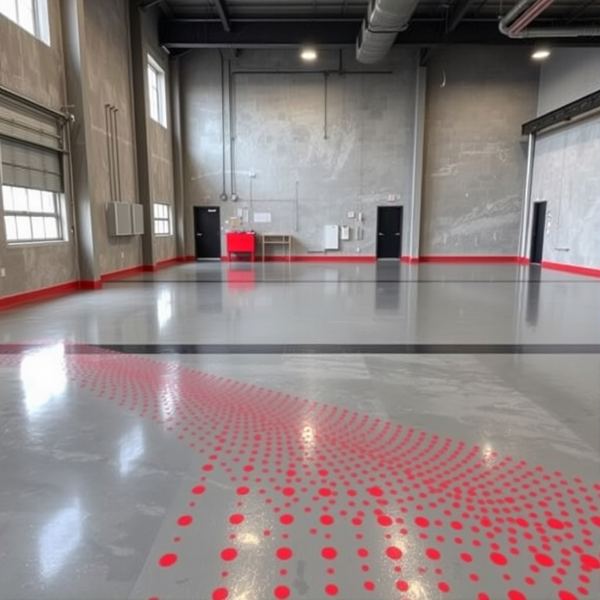
When an epoxy floor peels, chips or looks patchy, the cause is usually found underneath it. Coatings do not stick well to dust, oil or a sealed, glassy surface. That is why prep is the least glamorous and most important part of the job.
What proper prep involves
Preparing a slab is a series of steps, each with a purpose.
- Assess. Look at the concrete for cracks, spalls, stains and any old coatings or sealers.
- Grind. Diamond grinding removes the weak top layer and opens the pores of the concrete so a coating can grip.
- Repair. Cracks, joints and chipped areas are filled and levelled so they do not show through the finish.
- Clean. Dust is removed thoroughly, because even a fine film can weaken the bond.
Why grinding beats shortcuts
Some people try acid etching or a quick wash instead of grinding. Etching can leave an uneven profile and residue, and it does little for oil-soaked or previously sealed concrete. Mechanical grinding gives a more consistent surface for the coating to bond to.
Oil, old coatings and sealers
Garage slabs often carry oil and tyre marks that soak into the concrete. Old paint or sealer can also block adhesion. These need to be dealt with before anything new goes down, or the new coating may lift in those spots.
Cracks and uneven areas
A coating follows the surface it is placed on. Repairs made before coating look far better than trying to hide problems afterwards. Moving cracks and joints need particular care, because they can be a sign that the slab is shifting.
Check for moisture
Concrete can carry moisture vapour from the ground. If that is not identified, it can push a coating off the surface. Prep is the right time to check, and to plan a suitable primer where it is needed. See our article on moisture in concrete floors for more.
What this means for you
Good prep is mostly invisible once the floor is finished, which is exactly why it is easy to skip. When you compare approaches to a custom floor, ask what happens to the slab before any colour is applied. The answer tells you a lot about how the floor will perform in daily use.
A well-prepared slab also gives more design freedom. A smooth, sound surface lets metallic swirls, flake and solid colours sit evenly and look the way they were meant to.
A note on timing
Prep takes time, and rushing it is where problems begin. Ask how long each stage will take and what conditions, such as temperature and humidity, affect the schedule. A careful plan up front means fewer surprises, and a floor that keeps looking the way it did on the day it was finished.
Talk it through
Every floor starts with the slab in front of us and how you plan to use the space. To discuss a custom floor, call 562-269-1709 or request a quote.