Moisture in Concrete: The Hidden Threat to Floor Coatings
Concrete looks solid, but it is porous. Moisture moving through it is one of the main reasons coatings fail.
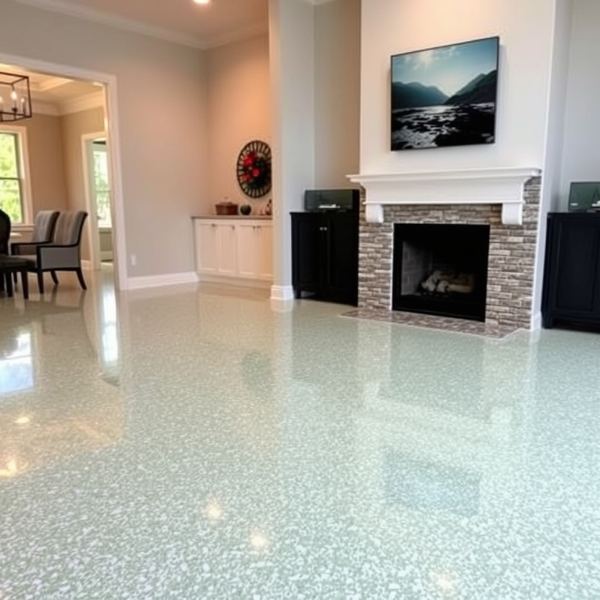
Concrete feels dry on the surface and can still hold moisture inside. That water can move upward as vapour, and when it meets a sealed coating it has nowhere to go. Understanding this helps you avoid a floor that looks perfect for a short while and then fails.
How moisture affects a coating
Vapour rising through a slab can build pressure beneath a coating. The result may be:
- Bubbles or blisters in the finish
- Whitish or cloudy patches
- Edges that lift or peel
- A weak bond that fails in sections
Where the moisture comes from
Slabs sit on the ground, and the ground holds water. Several things can add to the problem:
- A slab poured without an effective vapour barrier beneath it
- Irrigation or rain draining toward the foundation
- Plumbing leaks near the slab
- A freshly poured slab that has not cured long enough
New concrete needs time
New concrete holds a large amount of water from the mix. It is usually left to cure for around four weeks before coating, and it should still be tested first. A calendar alone is not proof that a slab is ready.
Simple signs you can notice
Darker, damp-looking patches on the slab, a musty smell, or white powdery deposits on the concrete can all hint at moisture. Floors that have lost an old coating in patches may also have a moisture history. None of these is a diagnosis, but each is a reason to ask for the slab to be tested.
How slabs are checked
Testing is done on site. Common methods include a plastic sheet taped to the slab to watch for condensation, and meters or test kits that measure moisture emissions or humidity inside the concrete. Different methods have different strengths, so the right one depends on the floor.
What can be done about it
If moisture is present, a coating system can include a moisture-mitigating primer designed to manage vapour. In more serious cases, the source of the water may need attention before any coating goes down. Fixing drainage or a leak is part of protecting the floor.
Why it is worth caring about
Moisture is invisible until it causes a failure. Testing and planning for it before the finish goes on is how a custom floor stays beautiful in a home for the long run. If your slab has any of the signs above, mention them when you talk to a flooring professional.
Plan ahead
If you are building a new home, adding a garage slab, or finishing a basement, think about coating early. Good drainage around the foundation, gutters that carry water away and a clear plan for testing all make the floor easier to protect. Small decisions made early can save a great deal of trouble later.
Talk it through
Every floor starts with the slab in front of us and how you plan to use the space. To discuss a custom floor, call 562-269-1709 or request a quote.